Hey there! As a roof panel supplier, I often get asked, "Are roof panels waterproof?" It's a super important question, especially when you're thinking about protecting your building from the elements. Let's dive right in and explore this topic.
First off, not all roof panels are created equal. There are different types of roof panels out there, and their waterproofing capabilities can vary quite a bit. Some are designed to be highly waterproof, while others might need a bit of extra help.
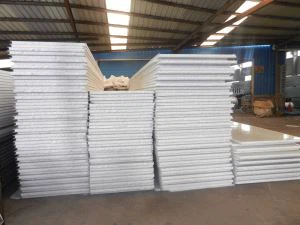
One type of roof panel that's quite popular is the Styrofoam Sandwich Panel. These panels are made up of a layer of styrofoam sandwiched between two outer layers. Styrofoam is known for being lightweight and having good insulation properties. But when it comes to waterproofing, it depends on the quality of the outer layers and how well the panel is sealed.


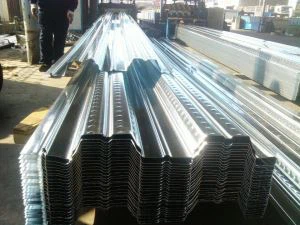
The outer layers of a Styrofoam Sandwich Panel can be made from different materials like metal or plastic. Metal outer layers can provide good protection against water, but they need to be properly coated to prevent rust. Plastic outer layers can also be waterproof, but they might be more prone to damage from UV rays over time.
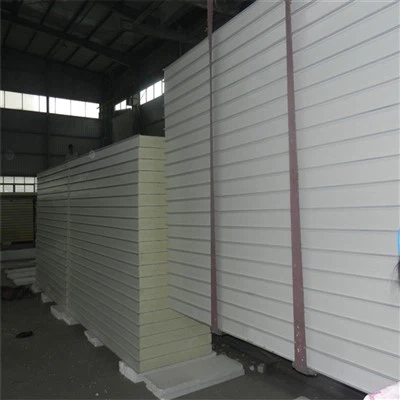
Another type of panel is the 75mm Sandwich Panel Foam. The 75mm refers to the thickness of the foam layer in the panel. A thicker foam layer can provide better insulation, but it doesn't necessarily mean it's more waterproof. The waterproofing of this panel also depends on the outer layers and the installation.
If the panel is installed correctly with proper seals and flashing, it can do a great job of keeping water out. But if there are gaps or if the seals are not tight, water can seep in and cause problems like mold and rot.
Then there's the Eps Sandwich Wall Panel. These panels are often used for walls, but they can also be used as roof panels in some cases. EPS stands for expanded polystyrene, which is a type of foam. Similar to the other panels, the waterproofing of an Eps Sandwich Wall Panel depends on the outer layers and the installation.
To make roof panels more waterproof, there are a few things that can be done during the manufacturing and installation process. During manufacturing, the outer layers can be treated with waterproof coatings. These coatings can help repel water and prevent it from seeping into the panel.
During installation, proper sealing is crucial. Seals are used around the edges of the panels and at the joints to prevent water from getting in. Flashing is also used around areas like vents and chimneys to direct water away from the roof.
But even with the best waterproofing measures, it's important to do regular maintenance on your roof panels. Check for any signs of damage or wear, like cracks in the outer layers or loose seals. If you notice any problems, it's best to fix them right away to prevent further damage.
Now, let's talk about some factors that can affect the waterproofing of roof panels. One of the biggest factors is the climate. In areas with heavy rainfall or snow, roof panels need to be more waterproof. For example, in a tropical climate where it rains a lot, you'll need panels that can handle a large amount of water.
The angle of the roof also matters. A steeper roof allows water to run off more quickly, reducing the chances of water pooling on the roof. On the other hand, a flat roof might require more careful waterproofing because water can collect on it more easily.
The quality of the materials used in the roof panels is another important factor. Higher quality materials are usually more durable and waterproof. Cheaper materials might not last as long and could be more prone to water damage.
So, are roof panels waterproof? The answer is that it depends. Some roof panels are designed to be highly waterproof, but others might need some extra work to keep water out. As a roof panel supplier, I can help you choose the right panels for your needs and make sure they're installed correctly.
If you're in the market for roof panels and want to learn more about their waterproofing capabilities, or if you have any other questions, don't hesitate to reach out. We can have a chat about your project and find the best solution for you. Whether it's a small residential building or a large commercial one, we've got the expertise to help you make the right choice.
In conclusion, when it comes to roof panels and waterproofing, it's all about choosing the right type of panel, using high - quality materials, and ensuring proper installation and maintenance. With the right approach, you can have a roof that keeps your building dry and protected for years to come.
References
- Building Construction Handbook
- Roofing Materials and Their Applications