As a seasoned metal floor supplier, I've encountered numerous inquiries from clients about the feasibility of installing a metal floor over an existing floor. This question isn't just a passing curiosity; it's a crucial consideration for those looking to renovate or upgrade their spaces without the hassle of a full floor tear - out. In this blog, I'll delve into the various aspects of this topic, providing you with comprehensive insights to make an informed decision.
Advantages of Installing a Metal Floor Over an Existing Floor
Cost - Efficiency
One of the most significant advantages is cost - savings. Tearing out an existing floor can be an expensive and time - consuming process. It involves not only the cost of labor for removal but also the disposal of the old flooring materials. By installing a metal floor over the existing one, you can avoid these additional expenses. You'll save on the removal costs and potentially on the installation time, as there's no need to prepare a bare sub - floor.
Time - Saving
Time is of the essence in any construction or renovation project. With traditional floor replacement, the removal of the old floor can take days, especially in large commercial spaces. Installing a metal floor over an existing floor can significantly reduce the project timeline. This means less disruption to your daily operations, whether it's a business or a residential property.


Structural Integrity
In some cases, the existing floor may provide additional structural support for the metal floor. For example, if the existing floor is a concrete slab, it can act as a stable base for the metal decking. This can enhance the overall strength of the new floor system, especially in high - traffic areas or places where heavy loads are expected.
Factors to Consider Before Installation
Condition of the Existing Floor
The condition of the existing floor is a critical factor. If the existing floor has significant damage, such as large cracks, unevenness, or signs of rot, it may not be suitable for installing a metal floor directly. Minor imperfections can often be corrected with leveling compounds, but major issues need to be addressed first. For instance, if the existing floor is a wooden floor with extensive rot, it should be repaired or replaced before installing the metal floor.
Compatibility
The type of existing floor and the metal floor you plan to install must be compatible. Different metal floors have different installation requirements. For example, some metal decking systems may require a flat and smooth surface, while others can tolerate a certain degree of irregularity. It's essential to choose a metal floor that is suitable for the existing floor material, whether it's concrete, wood, or tile.
Moisture and Vapor Barrier
Moisture can be a major problem when installing a metal floor over an existing floor. If the existing floor has a moisture issue, it can lead to corrosion of the metal floor over time. Therefore, a proper moisture and vapor barrier should be installed between the existing floor and the metal floor. This barrier will prevent moisture from reaching the metal and extend the lifespan of the floor.
Types of Metal Floors Suitable for Over - Installation
Galvanized Decking
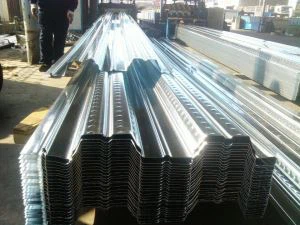
Galvanized decking is a popular choice for installing over an existing floor. The galvanization process involves coating the steel with a layer of zinc, which provides excellent corrosion resistance. Galvanized Decking is durable and can withstand heavy loads, making it suitable for industrial and commercial applications. It's also relatively easy to install and can be laid directly over a variety of existing floors, including concrete and wooden floors.
0.7 - 1.2mm Thickness Dovetailed Metal Decking Sheet
This type of metal decking sheet offers a good balance between strength and flexibility. The dovetailed design provides additional interlocking, which enhances the stability of the floor system. 0.7 - 1.2mm Thickness Dovetailed Metal Decking Sheet is suitable for both light - duty and medium - duty applications. It can be installed over existing floors with a relatively smooth surface, and its thickness can be selected according to the specific load requirements of the space.
Top Grade Galvanized Steel Decking
Top grade galvanized steel decking is known for its high - quality and long - lasting performance. It has a thicker zinc coating than standard galvanized decking, providing enhanced corrosion protection. Top Grade Galvanized Steel Decking is ideal for harsh environments, such as warehouses, factories, or outdoor areas. It can be installed over an existing floor to provide a durable and reliable flooring solution.
Installation Process
Surface Preparation
Even if you're installing a metal floor over an existing floor, some surface preparation is still required. This includes cleaning the existing floor to remove any dirt, debris, or grease. If there are any loose or damaged areas, they should be repaired. As mentioned earlier, if the floor is uneven, leveling compounds can be used to create a smooth surface.
Installation of Vapor Barrier
Once the surface is prepared, a vapor barrier should be installed. This is typically a plastic sheet that is laid over the existing floor. The vapor barrier should be properly sealed at the edges to prevent moisture from seeping through.
Installation of Metal Floor
The installation of the metal floor depends on the type of metal decking you've chosen. Most metal decking systems are installed by interlocking the panels together. They can be secured to the existing floor using mechanical fasteners, such as screws or nails, or by welding in some cases. It's important to follow the manufacturer's installation instructions carefully to ensure a proper and secure installation.
Maintenance of Metal Floors Installed Over Existing Floors
Regular Cleaning
Regular cleaning is essential to maintain the appearance and functionality of the metal floor. Dirt and debris can accumulate on the surface, which can scratch the metal and potentially lead to corrosion. Use a mild detergent and a soft - bristled brush or mop to clean the floor. Avoid using abrasive cleaners that can damage the galvanized coating.
Inspection for Corrosion
Periodically inspect the metal floor for signs of corrosion. Look for any rust spots, especially in areas where the zinc coating may have been damaged. If corrosion is detected, it should be addressed immediately. Minor corrosion can often be treated with rust inhibitors, while more severe cases may require the replacement of the affected panels.
Checking Fasteners
Over time, the fasteners used to secure the metal floor to the existing floor may loosen. Check the fasteners regularly and tighten them if necessary. Loose fasteners can cause the metal floor to become unstable, which can be a safety hazard.
Conclusion
In conclusion, installing a metal floor over an existing floor is a viable option in many cases. It offers cost - efficiency, time - saving, and potential structural benefits. However, it's crucial to consider the condition of the existing floor, compatibility, and moisture issues before proceeding. By choosing the right type of metal floor and following the proper installation and maintenance procedures, you can achieve a durable and functional flooring solution.
If you're considering installing a metal floor over an existing floor for your project, I'd be more than happy to assist you. Our company offers a wide range of high - quality metal floors, including Galvanized Decking, 0.7 - 1.2mm Thickness Dovetailed Metal Decking Sheet, and Top Grade Galvanized Steel Decking. Contact us to discuss your specific requirements and get a personalized solution for your flooring needs.
References
- "Construction Materials: Types and Properties" by John Smith
- "Floor Installation Guide for Commercial Spaces" by ABC Publishing