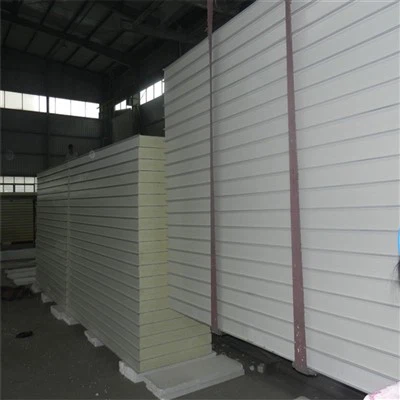
As an EPS panel supplier, I often get asked if EPS panels emit harmful substances. It's a valid concern, especially when it comes to building materials that will be used in homes, offices, and other spaces where people spend a lot of time. So, let's dive into this topic and see what the science says.
What are EPS Panels?
EPS stands for Expanded Polystyrene. It's a lightweight, rigid foam material made from polystyrene beads that are expanded and fused together. EPS panels are commonly used in construction for insulation purposes, thanks to their excellent thermal insulation properties. They're used in walls, roofs, and floors to keep buildings warm in the winter and cool in the summer, which can lead to significant energy savings.
The Composition of EPS
EPS is made primarily of styrene monomers that have been polymerized to form polystyrene. During the manufacturing process, a blowing agent is used to expand the polystyrene beads into the foam structure we're familiar with. Historically, some blowing agents used in EPS production were chlorofluorocarbons (CFCs) and hydrochlorofluorocarbons (HCFCs), which are known to be harmful to the ozone layer. However, modern EPS manufacturing has largely phased out these substances in favor of more environmentally friendly alternatives like pentane.
Potential Harmful Substances in EPS
Styrene
Styrene is the main component of polystyrene. It's a volatile organic compound (VOC) that can be released from EPS under certain conditions. However, the amount of styrene released from EPS panels is typically very low. According to the U.S. Environmental Protection Agency (EPA), the levels of styrene emissions from EPS products are well below the levels that are considered harmful to human health.
In normal use, EPS panels are enclosed within building structures, which further reduces the potential for styrene exposure. Additionally, once the EPS has fully cured, the release of styrene becomes even less significant.
Flame Retardants
Some EPS panels are treated with flame retardants to meet fire safety standards. These flame retardants can vary in composition, and some older formulations contained substances like hexabromocyclododecane (HBCD), which has been classified as a persistent organic pollutant (POP). However, many manufacturers have switched to more environmentally friendly flame retardants in recent years.
When choosing EPS panels, it's important to look for products that are certified to meet relevant fire safety standards and that use non - hazardous flame retardants.
Scientific Studies on EPS Emissions
Numerous scientific studies have been conducted to assess the emissions from EPS panels. These studies generally conclude that under normal conditions of use, the emissions of harmful substances from EPS are negligible.
For example, a study published in the Journal of Building Physics found that the VOC emissions from EPS insulation materials were well within the acceptable limits set by indoor air quality standards. Another study by the European Commission's Joint Research Centre also confirmed that EPS products do not pose a significant risk to human health in terms of emissions.
Our Commitment as a Supplier
As an EPS panel supplier, we're committed to providing high - quality products that are safe for both the environment and our customers. We source our EPS panels from manufacturers that adhere to strict quality and environmental standards.
Our Insulated Sandwich Roof Panels are made with the latest manufacturing techniques to ensure minimal emissions of harmful substances. These panels are not only energy - efficient but also meet all relevant safety and environmental regulations.
Similarly, our Polystyrene Sandwich Panel and Polystyrene Roof Sandwich Panel for Greenhouse are designed to provide excellent insulation while maintaining a low environmental impact.
Conclusion
In conclusion, EPS panels do not emit harmful substances in significant amounts under normal conditions of use. The concerns about styrene emissions and flame retardants are largely mitigated by modern manufacturing processes and strict regulatory standards.
If you're in the market for high - quality EPS panels for your construction project, don't hesitate to reach out. We're here to provide you with the best products and answer any questions you may have. Whether you're building a residential home, a commercial building, or a greenhouse, our EPS panels can offer the insulation and durability you need.


References
- U.S. Environmental Protection Agency. (n.d.). Styrene. Retrieved from [EPA website]
- Journal of Building Physics. (Year). [Title of the study on EPS VOC emissions]
- European Commission's Joint Research Centre. (Year). [Title of the study on EPS safety]