As a supplier of roof panels, I often encounter various concerns from customers, and one question that frequently comes up is whether roof panels attract pests. In this blog post, I'll delve into this topic, exploring the factors that might make roof panels appealing to pests and how we can mitigate these risks.
Understanding the Basics of Roof Panels
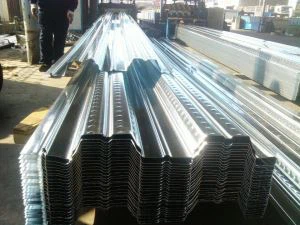
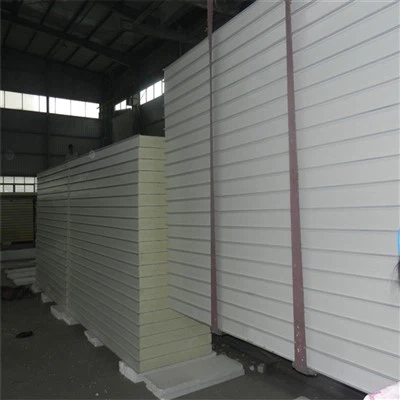
Roof panels come in a wide variety of types, each with its own set of characteristics. For instance, Insulated Sandwich Roof Panels are popular for their excellent insulation properties. These panels typically consist of two outer metal sheets with an insulating core in between. The core can be made of different materials, such as Polystyrene Sandwich Panel which uses expanded polystyrene (EPS) foam. Another common option is the 75mm Sandwich Panel Foam, which provides a specific thickness of insulation.
Factors That Might Attract Pests
1. Material Composition
Some pests are attracted to certain materials used in roof panels. For example, if the panel contains organic materials, it can be a food source for insects like termites. However, most modern roof panels, especially those made of metal or synthetic materials, are not a direct food source for pests. Metal panels are generally resistant to insect damage as they do not provide the nutrients that pests need. On the other hand, panels with a polystyrene core might be at a slightly higher risk. Polystyrene is a synthetic material, but in some cases, rodents may chew on it to sharpen their teeth.
2. Moisture Attraction
Moisture is a major attractant for pests. If roof panels are not properly installed or maintained, water can accumulate around or under them. This can create a damp environment that is ideal for pests such as mosquitoes, which breed in standing water, and wood - boring insects that thrive in moist wood. Leaks in the roof panels can also lead to the growth of mold and mildew, which can attract other pests like cockroaches and silverfish.
3. Shelter and Nesting Opportunities
Roof panels can provide shelter for pests. The space between the panels and the roof structure, or within the insulating core in some cases, can be used by pests as a nesting site. Birds may build nests on top of or under the panels, while rodents and small mammals may find their way into the voids and create burrows.
Types of Pests That Might Be Attracted
1. Insects
- Termites: Although less likely to target metal or synthetic roof panels, if there are any wooden components in the roof structure or if the panels are in contact with soil, termites can be a threat. They can cause significant damage to wooden parts over time.
- Ants: Ants are attracted to food sources and moisture. If there are any food residues on the roof or if there is a water leak, ants may be drawn to the area. They can also build nests in small crevices around the panels.
- Bees and Wasps: These stinging insects may build nests on the exterior of the roof panels, especially in areas that are sheltered from the elements.
2. Rodents
- Mice and Rats: Rodents are known for their ability to chew through various materials. They may target roof panels to gain access to the interior of a building, especially if there are food sources inside. They can also cause damage to the insulation by creating nests within it.
3. Birds
- Pigeons, sparrows, and other birds may roost on the roof panels. Their droppings can not only be unsightly but also cause damage to the panels over time. The weight of large bird populations can also put stress on the roof structure.
Preventive Measures
1. Proper Installation
Ensuring that roof panels are installed correctly is crucial. This includes proper sealing of joints and edges to prevent water from seeping in. A professional installer should follow the manufacturer's guidelines to ensure a tight fit and proper drainage.
2. Regular Maintenance
Regular inspections of the roof panels can help detect any signs of pest activity or damage early. Check for leaks, cracks, or signs of nesting. Clean the roof panels periodically to remove any debris, food residues, or bird droppings.


3. Pest - Resistant Design
Choose roof panels that are designed to be pest - resistant. For example, some metal panels have a smooth surface that makes it difficult for pests to grip and climb. Additionally, using panels with a non - edible core can reduce the risk of rodent damage.
4. Exclusion Techniques
Install barriers such as mesh screens or bird spikes to prevent pests from accessing the roof panels. Mesh screens can be placed over vents and openings to keep out rodents and insects, while bird spikes can deter birds from roosting.
Our Role as a Roof Panel Supplier
As a supplier of roof panels, we understand the importance of providing products that are not only durable and efficient but also pest - resistant. We work closely with manufacturers to ensure that our Insulated Sandwich Roof Panels, Polystyrene Sandwich Panel, and 75mm Sandwich Panel Foam meet the highest standards of quality and pest resistance.
We also offer advice and support to our customers on proper installation and maintenance. Our team of experts can help you choose the right type of roof panels for your specific needs and provide guidance on how to prevent pest problems.
Conclusion
While roof panels can potentially attract pests under certain conditions, with the right preventive measures, these risks can be minimized. By choosing the appropriate type of roof panels, ensuring proper installation and maintenance, and implementing pest - exclusion techniques, you can enjoy a pest - free roof.
If you're in the market for high - quality, pest - resistant roof panels, we'd love to hear from you. Whether you're a homeowner, a business owner, or a contractor, our range of Insulated Sandwich Roof Panels, Polystyrene Sandwich Panel, and 75mm Sandwich Panel Foam can meet your requirements. Contact us today to start a conversation about your roof panel needs and let's work together to create a durable and pest - free roofing solution.
References
- "Pest Management in Buildings" by the National Pest Management Association
- "Roofing Materials and Their Performance" by the Roofing Industry Alliance for Progress