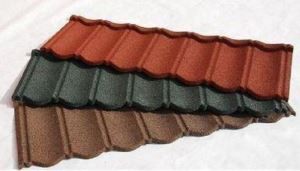
Hey there! I'm a supplier of roofing tiles, and I often get asked about how to ensure proper ventilation under roofing tiles. It's a crucial aspect that can significantly impact the longevity and performance of your roof. So, let's dive right in and explore this topic.
First off, why is ventilation under roofing tiles so important? Well, proper ventilation helps to regulate the temperature and humidity levels in your attic. When your attic gets too hot, it can cause the roofing tiles to expand and contract, which over time can lead to cracks and damage. High humidity, on the other hand, can promote the growth of mold and mildew, which not only looks bad but can also pose health risks.
One of the most common ways to ensure ventilation is by using ridge vents. Ridge vents are installed at the peak of the roof, allowing hot air to escape. They work by creating a natural convection current. As the hot air rises, it exits through the ridge vent, and fresh air is drawn in through the soffit vents at the eaves of the roof. This continuous flow of air helps to keep the attic cool and dry.
Another option is to use soffit vents. These are installed under the eaves of the roof and allow fresh air to enter the attic. Soffit vents come in various styles and sizes, and they can be either continuous or individual vents. Continuous soffit vents provide a more consistent airflow and are often preferred for larger roofs.
When it comes to the type of roofing tiles you choose, it can also affect ventilation. For example, Colour Coated Roofing Sheet can offer good ventilation properties. These sheets are designed to allow air to circulate freely under them, which helps to keep the attic well-ventilated.
Similarly, Colored Aluminium Corrugated Roofing Tiles for Tourist Area are also a great choice. The corrugated design creates channels for air to flow, enhancing ventilation. And if you're looking for a more durable option, Corrugated Metal Roofing Sheet can be a good pick. Metal roofing sheets are known for their excellent ventilation capabilities and can withstand harsh weather conditions.
It's also important to consider the installation process. Proper installation of the roofing tiles and vents is crucial for effective ventilation. Make sure that the vents are installed correctly and that there are no blockages. For example, if the soffit vents are covered with insulation or debris, it can restrict the airflow.
When installing the roofing tiles, leave some space between the tiles and the decking. This gap allows air to circulate under the tiles, preventing the buildup of heat and moisture. You can use spacers or furring strips to create this gap.
In addition to these physical ventilation methods, you can also use fans to enhance airflow. Attic fans can be installed to draw hot air out of the attic more quickly. There are two types of attic fans: powered fans and solar-powered fans. Powered fans are connected to the electrical system of your home, while solar-powered fans are more energy-efficient and run on solar power.
Regular maintenance is also essential to ensure proper ventilation. Inspect your roof and vents regularly to check for any signs of damage or blockages. Clean the vents to remove any dirt, leaves, or debris that may have accumulated. And if you notice any issues, such as a damaged vent or a leaky roof, get them repaired as soon as possible.


Now, let's talk about some common mistakes to avoid. One of the biggest mistakes is not having enough ventilation. Many homeowners underestimate the importance of ventilation and don't install enough vents. This can lead to overheating and moisture problems in the attic.
Another mistake is installing the vents incorrectly. If the vents are not installed at the right location or at the correct angle, it can affect the airflow. Make sure to follow the manufacturer's instructions when installing the vents.
And finally, don't forget about the insulation. While insulation is important for energy efficiency, too much insulation can block the vents and restrict the airflow. Make sure to leave enough space around the vents for air to circulate.
In conclusion, ensuring proper ventilation under roofing tiles is crucial for the health and longevity of your roof. By using the right combination of vents, choosing the appropriate roofing tiles, and following proper installation and maintenance procedures, you can keep your attic cool, dry, and well-ventilated.
If you're interested in learning more about our roofing tiles or have any questions about ventilation, feel free to reach out. We're here to help you make the best choice for your roofing needs. Whether you're a homeowner looking to replace your roof or a contractor working on a project, we have a wide range of high-quality roofing tiles to suit your requirements. So, don't hesitate to contact us for more information and to start a procurement discussion.
References
- Building Science Corporation. "Ventilation in Attics and Roofs."
- National Roofing Contractors Association. "Roof Ventilation Guidelines."