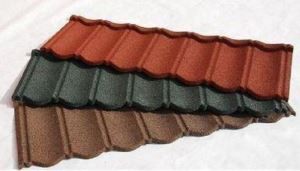
Hey there! As a roof shingle supplier, I've seen my fair share of roof problems, and one of the most common issues homeowners face is roof shingle curling. It's not just an eyesore; it can also lead to some serious damage if left untreated. So, in this blog, I'm gonna share some tips on how to deal with roof shingle curling.


What Causes Roof Shingle Curling?
Before we dive into the solutions, let's talk about what causes shingle curling in the first place. There are a few factors that can contribute to this problem:
- Age: Shingles have a limited lifespan, and as they get older, they start to break down. The asphalt in the shingles can dry out and become brittle, causing the edges to curl up.
- Poor Installation: If the shingles weren't installed correctly, they may not be able to withstand the elements. For example, if the nails are too long or too short, or if the shingles aren't properly aligned, they can start to curl.
- Extreme Weather Conditions: Exposure to extreme heat, cold, or moisture can also cause shingles to curl. In hot weather, the asphalt can soften and become more prone to curling. In cold weather, the shingles can become brittle and crack. And if the roof is constantly exposed to moisture, the shingles can rot and curl.
- Lack of Ventilation: Proper ventilation is essential for a healthy roof. If the attic doesn't have enough ventilation, the heat and moisture can build up, causing the shingles to curl.
How to Identify Roof Shingle Curling
The first step in dealing with roof shingle curling is to identify the problem. Here are some signs to look out for:
- Curled Edges: The most obvious sign of shingle curling is when the edges of the shingles start to curl up. This can be seen from the ground or from the roof.
- Missing Shingles: If you notice any missing shingles on your roof, it could be a sign of shingle curling. Curled shingles are more likely to blow off in strong winds.
- Granule Loss: Shingles are coated with granules to protect them from the sun and the elements. If you notice a lot of granules in your gutters or on the ground around your house, it could be a sign that the shingles are starting to curl.
- Leaks: If you notice any leaks in your attic or ceiling, it could be a sign of shingle curling. Curled shingles can allow water to seep through and cause damage to your home.
How to Deal with Roof Shingle Curling
Once you've identified the problem, it's time to take action. Here are some tips on how to deal with roof shingle curling:
- Repair Minor Curling: If the curling is minor, you may be able to repair it yourself. You can use a roofing adhesive to reattach the curled edges of the shingles. Make sure to clean the area first and apply the adhesive according to the manufacturer's instructions.
- Replace Damaged Shingles: If the curling is severe or if there are a lot of damaged shingles, you may need to replace them. You can purchase replacement shingles from your local home improvement store or from a roofing supplier. Make sure to choose shingles that match the color and style of your existing roof.
- Improve Ventilation: As I mentioned earlier, proper ventilation is essential for a healthy roof. If your attic doesn't have enough ventilation, you may need to install vents or fans to improve the airflow. This can help reduce the heat and moisture in the attic, which can prevent shingle curling.
- Seal Leaks: If you notice any leaks in your roof, it's important to seal them as soon as possible. You can use a roofing sealant to seal the leaks. Make sure to clean the area first and apply the sealant according to the manufacturer's instructions.
- Consider a Roof Replacement: If your roof is old and the shingles are severely curled, you may need to consider a roof replacement. A new roof can not only improve the appearance of your home, but it can also provide better protection from the elements.
Our Roof Shingle Products
At our company, we offer a wide range of high-quality roof shingles that are designed to withstand the elements. Here are some of our products:
- Stone Coated Classical Metal Roof Tile: These roof tiles are made of high-quality metal and are coated with a layer of stone chips. They are durable, lightweight, and resistant to fire, wind, and hail.
- Zinc Aluminium Stone Coated Roman Roof Tiles: These roof tiles are made of zinc-aluminium alloy and are coated with a layer of stone chips. They are strong, long-lasting, and have a beautiful Roman style.
- Light Weight Stone Chipped Zincalume Roof Shingle: These roof shingles are made of zincalume steel and are coated with a layer of stone chips. They are lightweight, easy to install, and have a low maintenance cost.
Contact Us for Purchase and Consultation
If you're interested in our roof shingle products or if you have any questions about roof shingle curling, please don't hesitate to contact us. We have a team of experienced professionals who can help you choose the right roof shingles for your home and provide you with expert advice on how to deal with roof shingle curling. We're committed to providing our customers with the highest quality products and services at competitive prices. So, if you're looking for a reliable roof shingle supplier, look no further!
References
- "Roof Shingle Curling: Causes, Signs, and Solutions." HomeAdvisor.
- "How to Fix Curling Roof Shingles." This Old House.
- "The Importance of Roof Ventilation." Family Handyman.