Hey there! As a rock wool supplier, I often get asked if rock wool is suitable for marine applications. Well, let's dive right into this question and explore the ins and outs of using rock wool in the marine world.
First off, let's talk about what rock wool is. Rock wool is made from natural rocks, like basalt. These rocks are melted at high temperatures and then spun into fine fibers. The result is a material that has some pretty amazing properties. It's a great insulator, both for heat and sound. It's also fire - resistant, which is a huge plus in a lot of situations.
Properties that Make Rock Wool a Contender for Marine Use
Insulation
In the marine environment, temperature control is crucial. For example, on large ships, engine rooms can get extremely hot. Rock wool can be used to insulate these areas, preventing the heat from spreading to other parts of the vessel. This helps in maintaining a comfortable working environment for the crew and also protects sensitive equipment from overheating.


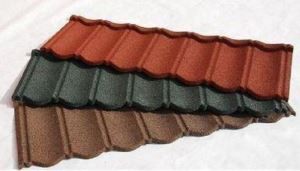
Our Fire Rated Colored Steel Rock Wool Sandwich Board with PU Sealing is a great option in such cases. It combines the excellent insulation properties of rock wool with a durable steel exterior and a PU seal, which not only enhances insulation but also provides protection against moisture and other elements.
Fire Resistance
Fire is one of the most dangerous hazards on a ship. Once a fire starts on a vessel in the middle of the ocean, it can quickly get out of control. Rock wool is non - combustible, and it can help contain a fire and prevent its spread. This gives the crew more time to take appropriate action and can potentially save lives and the entire vessel.
If you're looking for a fire - resistant option for marine installations, our Fireproof and Soundproof Rock Wool Aluminum Sandwich Panel is a top - notch choice. The aluminum exterior provides additional strength, while the rock wool core offers excellent fire and sound insulation.
Sound Insulation
Noise can be a significant problem on ships. Engines, machinery, and the sound of the waves crashing against the hull can create a very noisy environment. Rock wool can absorb sound, reducing noise levels inside the ship. This is not only beneficial for the crew's well - being but also for any passengers on board.
Challenges of Using Rock Wool in Marine Applications
Moisture Resistance
The marine environment is extremely harsh, with high humidity and constant exposure to saltwater. While rock wool is a good insulator in dry conditions, it can absorb moisture. Once it gets wet, its insulation properties can be significantly reduced. Also, the absorbed moisture can lead to corrosion if the rock wool is in contact with metal parts of the ship.
To combat this, we've developed Thermal Insulated Composite Glass Wool PU Sealing Sandwich Panels. The PU sealing acts as a barrier, preventing moisture from reaching the rock wool core, thus maintaining its insulation performance over time.
Sea Water Corrosion
Salt water is highly corrosive. If the rock wool is not properly protected, the salt in the water can react with the fibers and cause degradation. This can lead to a loss of structural integrity and a decrease in insulation efficiency.
Solutions and Best Practices
One way to deal with these challenges is through proper installation. When using rock wool in marine applications, it should be installed in enclosures that are sealed against moisture. This can be done using waterproof barriers or coatings.
Another solution is to choose the right type of rock wool product. Products with external protective layers, like the sandwich panels I mentioned earlier, are designed to withstand the marine environment better. Regular inspections are also essential to detect any signs of moisture ingress or damage early on.
Real - World Examples
There have been numerous successful applications of rock wool in the marine industry. For example, on some luxury yachts, rock wool insulation has been used to create a quiet and comfortable interior. Engine compartments are insulated to reduce heat and noise, enhancing the overall experience for the passengers.
On large cargo ships, rock wool fire - resistant panels are installed in areas where there's a higher risk of fire, such as near fuel storage and engine rooms. This has proven to be an effective measure in preventing the spread of fire in case of an incident.
Conclusion
So, is rock wool suitable for marine applications? The answer is yes, with some caveats. Its insulation, fire - resistance, and sound - absorption properties make it a valuable material for the marine industry. However, the challenges of moisture and salt - water corrosion need to be carefully addressed.
If you're in the marine business and are considering using rock wool for your projects, I invite you to get in touch with us. We have a wide range of rock wool products that are specifically designed to meet the unique requirements of the marine environment. Whether you need insulation for engine rooms, fire - resistant partitions, or sound - proofing solutions, we've got you covered. Let's start a conversation and find the best rock wool solutions for your marine applications.
References
- "Marine Engineering Handbook" by various industry experts.
- Technical reports on rock wool applications from leading material research institutions.