When it comes to constructing a building, the choice of roof panels is a critical decision that can significantly impact the safety, durability, and energy efficiency of the structure. One of the most important factors to consider when selecting roof panels is their fire rating. As a roof panel supplier, I understand the importance of providing customers with high-quality products that meet the necessary safety standards. In this blog post, I will discuss what the fire rating of roof panels is, why it matters, and how it can affect your building project.
What is the Fire Rating of Roof Panels?
The fire rating of roof panels refers to their ability to resist the spread of fire and prevent it from penetrating through the panel. It is determined by subjecting the panels to standardized fire tests, which measure their performance under specific conditions. The results of these tests are used to assign a fire rating to the panels, which indicates their level of fire resistance.
There are several different fire rating systems used around the world, but the most common one in the United States is the Underwriters Laboratories (UL) fire rating system. UL is an independent organization that tests and certifies products for safety. The UL fire rating system uses a series of letters and numbers to indicate the fire resistance of a product. For example, a roof panel with a UL fire rating of Class A is considered to have the highest level of fire resistance, while a panel with a Class C rating has a lower level of fire resistance.
Why Does the Fire Rating of Roof Panels Matter?
The fire rating of roof panels is important for several reasons. First and foremost, it can help to protect the occupants of a building in the event of a fire. A roof panel with a high fire rating can prevent the spread of fire from the exterior of the building to the interior, giving people more time to evacuate safely. It can also help to prevent the collapse of the roof, which can cause serious injuries or fatalities.
In addition to protecting the occupants of a building, the fire rating of roof panels can also help to protect the building itself. A fire can cause significant damage to a building, including structural damage, water damage, and smoke damage. By using roof panels with a high fire rating, you can reduce the risk of damage to your building and minimize the cost of repairs.


Another reason why the fire rating of roof panels matters is that it can affect the insurance premiums for a building. Insurance companies typically offer lower premiums for buildings that are equipped with fire-resistant materials, including roof panels. By choosing roof panels with a high fire rating, you can save money on your insurance premiums over the life of the building.
How Does the Fire Rating of Roof Panels Affect Your Building Project?
The fire rating of roof panels can have a significant impact on your building project. Depending on the type of building you are constructing and the local building codes, you may be required to use roof panels with a certain fire rating. For example, commercial buildings, schools, hospitals, and other public buildings are typically required to use roof panels with a Class A fire rating.
Even if your building is not required to meet specific fire rating requirements, it is still a good idea to choose roof panels with a high fire rating. This can provide an extra layer of protection for your building and its occupants, and it can also increase the value of your property.
When selecting roof panels for your building project, it is important to consider the fire rating in addition to other factors, such as the cost, durability, and energy efficiency of the panels. You should also make sure that the panels are installed correctly by a qualified contractor to ensure that they provide the maximum level of fire protection.
Types of Roof Panels and Their Fire Ratings
There are several different types of roof panels available on the market, each with its own fire rating. Some of the most common types of roof panels include:
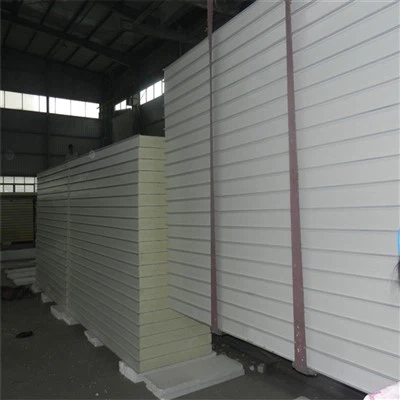
- Polystyrene Sandwich Panel: Polystyrene sandwich panels are made of a core of expanded polystyrene (EPS) foam sandwiched between two metal sheets. These panels are lightweight, easy to install, and have good insulation properties. However, they have a relatively low fire rating, typically Class C. You can learn more about Polystyrene Sandwich Panel.
- Styrofoam Sandwich Panel: Styrofoam sandwich panels are similar to polystyrene sandwich panels, but they are made of a core of extruded polystyrene (XPS) foam. These panels also have good insulation properties, but they have a lower fire rating than polystyrene sandwich panels, typically Class C or lower. You can find more information about Styrofoam Sandwich Panel.
- EPS Insulated Sandwich Panel: EPS insulated sandwich panels are made of a core of expanded polystyrene (EPS) foam sandwiched between two metal sheets. These panels have a high level of insulation and a relatively high fire rating, typically Class B or Class A. You can explore more details about EPS Insulated Sandwich Panel.
Conclusion
The fire rating of roof panels is an important factor to consider when selecting roof panels for your building project. It can help to protect the occupants of a building, prevent damage to the building itself, and reduce the cost of insurance premiums. By choosing roof panels with a high fire rating, you can provide an extra layer of protection for your building and its occupants.
As a roof panel supplier, I am committed to providing my customers with high-quality roof panels that meet the necessary safety standards. If you are interested in learning more about the fire rating of our roof panels or would like to discuss your building project, please feel free to contact us. We would be happy to help you select the right roof panels for your needs and provide you with a competitive quote.
References
- Underwriters Laboratories (UL). (n.d.). Fire Resistance Ratings. Retrieved from [UL official website]
- International Building Code (IBC). (n.d.). Fire-Resistant Construction Requirements. Retrieved from [IBC official website]