Hey there! As a rock wool supplier, I get asked a lot about how effective rock wool is for sound insulation. Well, let me break it down for you.
First off, what exactly is rock wool? Rock wool is a type of insulation material made from natural rocks like basalt. These rocks are melted at super - high temperatures and then spun into fibers. It's been around for a while and has a wide range of applications, not just for sound but also for things like fireproofing and thermal insulation.
How does it work for sound insulation?
Sound is basically a vibration that travels through the air. When sound waves hit a surface, they can either be reflected, absorbed, or transmitted through it. The goal of sound insulation is to absorb and reduce the amount of sound that gets transmitted.
Rock wool is great for this because of its fibrous structure. The fibers create a network of tiny air pockets. When sound waves enter this network, they bounce around between the fibers and lose their energy. The more the sound waves bounce, the more they get absorbed. It's like a maze for sound, and by the time the sound tries to make its way through, a significant amount of its energy has been used up.
Measuring the effectiveness
There are a few ways to measure how well a material insulates sound. One common method is the Sound Transmission Class (STC) rating. The higher the STC rating, the better the material is at blocking sound. Rock wool usually has a pretty good STC rating, especially when it's installed correctly.
For example, if you're using rock wool in a wall partition, you can expect to achieve an STC rating of around 40 - 50. This means that it can significantly reduce the amount of sound that passes through the wall. A rating of 40 can block out normal conversation, while a rating of 50 can do an even better job, perhaps blocking out louder noises like a television or a vacuum cleaner from the other side.
Real - world applications
In homes, rock wool is a popular choice for sound insulation. You can use it in the walls between bedrooms to prevent noisy neighbors (or family members) from disturbing your sleep. It's also great for home theaters. By installing rock wool in the walls, ceiling, and floor, you can create a more immersive and quiet environment for watching movies.
Commercial buildings also benefit a lot from rock wool. In offices, it can be used to create private meeting rooms or to reduce the overall noise level in open - plan offices. Schools also use rock wool to insulate classrooms, which helps students focus better by reducing distractions from the hallway or other classrooms.


Our product range
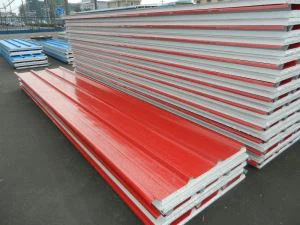
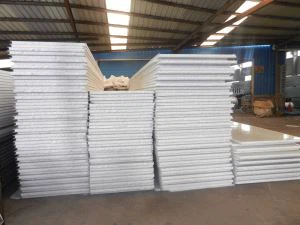
At our company, we offer a variety of rock wool products that are not only great for sound insulation but also come with other benefits. For example, check out our Fireproof and Soundproof Rock Wool Aluminum Sandwich Panel. This panel combines the sound - insulating properties of rock wool with the fire - resistant qualities of aluminum. It's perfect for buildings where fire safety is a concern, like factories or high - rise apartments.
Another great option is our Thermal Insulated Composite Glass Wool PU Sealing Sandwich Panels. These panels not only insulate sound but also help with thermal insulation. This means you can save on energy costs by keeping your building warmer in the winter and cooler in the summer.
And if you're looking for something with a bit of style, our Fire Rated Colored Steel Rock Wool Sandwich Board with PU Sealing is a great choice. It has a colored steel exterior, so it looks good while still providing excellent sound and fire insulation.
Installation matters
The effectiveness of rock wool for sound insulation also depends on how it's installed. If it's not installed properly, there may be gaps or spaces where sound can leak through. It's important to make sure the rock wool is tightly packed and that there are no air gaps. Professional installation is usually recommended, especially for larger projects.
Comparing with other materials
There are other materials out there that are used for sound insulation, like fiberglass and foam. Fiberglass is similar to rock wool in that it also has a fibrous structure. However, rock wool is generally more fire - resistant. Foam can also be a good sound insulator, but it may not be as durable as rock wool in the long run.
Cost - effectiveness
When it comes to cost, rock wool is a pretty good deal. It's not the cheapest material out there, but considering its long - term benefits, it's worth the investment. It lasts a long time, doesn't need to be replaced frequently, and can save you money on energy bills if it's also used for thermal insulation.
Conclusion
So, to sum it up, rock wool is highly effective for sound insulation. Its fibrous structure allows it to absorb a large amount of sound energy, and it has a decent STC rating. It has a wide range of real - world applications in both residential and commercial buildings.
If you're interested in using rock wool for your next sound - insulation project, whether it's a small home renovation or a large commercial build, don't hesitate to reach out. We're here to help you choose the right product and answer any questions you might have. Let's work together to create a quieter and more comfortable environment.
References
- Building Science Corporation. (2023). Sound Insulation Materials.
- Journal of Acoustical Society of America. (2022). Studies on Fibrous Insulation Materials for Sound Absorption.