As a seasoned supplier in the steel deck industry, I've witnessed firsthand the diverse applications and benefits of different types of steel decks. Steel decks are essential components in modern construction, offering strength, durability, and versatility. In this blog post, I'll explore the main types of steel decks, their unique features, and the ideal applications for each.
1. Composite Steel Decks
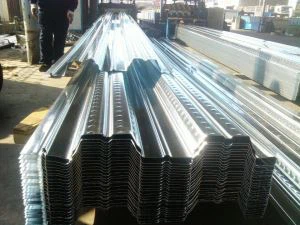
Composite steel decks are designed to work in conjunction with concrete to form a composite floor system. When concrete is poured over a composite steel deck, the two materials act together to resist loads, enhancing the overall strength and stiffness of the floor. This type of steel deck typically has embossments or ridges on its surface, which help to bond the concrete to the steel, creating a composite action.
One of the key advantages of composite steel decks is their ability to reduce the amount of concrete required in a floor system. By working together with the concrete, the steel deck can carry a significant portion of the load, allowing for thinner concrete slabs. This not only saves on material costs but also reduces the weight of the structure, which can be beneficial in high - rise buildings or structures with limited foundation capacity.
Composite steel decks are commonly used in commercial and industrial buildings, such as office buildings, warehouses, and shopping centers. They provide a cost - effective and efficient solution for creating large, open floor areas. For more information on how composite steel decks can be used in concrete slab construction, you can visit Concrete Slab On Metal Deck.
2. Non - Composite Steel Decks
Non - composite steel decks, as the name suggests, do not work in a composite action with the concrete. Instead, they act primarily as a formwork for the concrete slab during construction and provide some limited support after the concrete has cured. Non - composite steel decks are typically smoother than composite steel decks, as they do not require the embossments or ridges for composite action.


These decks are often used in situations where the load - carrying capacity of the steel deck itself is not a major concern, or where the concrete slab is designed to carry the majority of the load. Non - composite steel decks are commonly used in residential construction, as well as in some light - commercial applications. They are relatively easy to install and can provide a cost - effective solution for creating flat, stable surfaces for concrete slabs.
The main advantage of non - composite steel decks is their simplicity and ease of use. They do not require the complex design calculations associated with composite steel decks, which can save time and money during the design and construction process. To learn more about non - composite steel decks and their applications, check out Metal Sheet Decking.
3. Ribbed Steel Decks
Ribbed steel decks are characterized by their distinct ribbed or corrugated profile. The ribs provide additional strength and stiffness to the deck, allowing it to span longer distances and support heavier loads. Ribbed steel decks can be either composite or non - composite, depending on their design and application.
There are different sizes and shapes of ribbed steel decks available, with the 3 - inch ribbed profiled metal decking being a popular choice in many construction projects. The 3 - inch rib height provides a good balance between strength and weight, making it suitable for a wide range of applications.
3 - inch ribbed profiled metal decking is commonly used in industrial buildings, parking structures, and multi - story residential buildings. The ribs not only enhance the structural performance of the deck but also provide a convenient way to run mechanical and electrical services within the floor system. To find out more about 3 - inch ribbed profiled metal decking, visit 3Inch Ribbed Profiled Metal Decking.
4. Cellular Steel Decks
Cellular steel decks are a specialized type of steel deck that features a series of closed cells or cavities within the deck profile. These cells can be used to route mechanical, electrical, and plumbing (MEP) services, such as ducts, pipes, and wiring, within the floor structure. This eliminates the need for separate service chases or overhead ducts, which can save space and reduce the overall height of the floor system.
Cellular steel decks are often used in commercial and institutional buildings, where the efficient routing of MEP services is crucial. They provide a clean and organized way to manage building services, while also improving the aesthetics of the ceiling by eliminating the need for exposed ducts and pipes.
The main advantage of cellular steel decks is their ability to integrate building services into the floor structure, resulting in a more efficient and compact building design. However, they require careful planning and coordination during the design and construction process to ensure that the cells are properly sized and located to accommodate the required services.
5. Roof Steel Decks
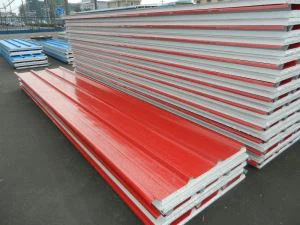
Roof steel decks are specifically designed for use in roofing applications. They are typically lighter and thinner than floor steel decks, as they do not need to support the same level of live loads. Roof steel decks provide a stable base for the roofing membrane and help to distribute the weight of the roof evenly across the building structure.
These decks are often used in industrial, commercial, and agricultural buildings. They can be either single - ply or multi - ply, depending on the specific requirements of the roofing system. Roof steel decks are available in a variety of profiles and coatings to provide protection against weathering, corrosion, and fire.
The key features of roof steel decks include their durability, weather resistance, and ease of installation. They can be quickly and easily installed on the roof structure, reducing construction time and labor costs. Additionally, they provide a long - lasting solution for protecting the building from the elements.
Choosing the Right Steel Deck
Selecting the right type of steel deck for your project depends on several factors, including the type of structure, the load requirements, the architectural design, and the budget. It's important to work with a knowledgeable supplier who can provide expert advice and guidance based on your specific needs.
When choosing a steel deck, consider the following:
- Load - Carrying Capacity: Determine the maximum loads that the deck will need to support, including dead loads (the weight of the structure itself) and live loads (such as people, furniture, and equipment).
- Span Requirements: Consider the distance that the deck will need to span between supports. Longer spans may require a stronger and more rigid deck.
- Composite or Non - Composite: Decide whether a composite or non - composite deck is more suitable for your project. Composite decks offer higher load - carrying capacity but may require more complex design and construction.
- MEP Integration: If you need to route mechanical, electrical, or plumbing services through the floor or roof, consider using a cellular steel deck or a deck with a suitable profile for service routing.
- Cost: Compare the costs of different types of steel decks, including material costs, installation costs, and long - term maintenance costs.
Contact Us for Your Steel Deck Needs
If you're in the market for high - quality steel decks for your construction project, look no further. As a leading supplier in the industry, we offer a wide range of steel decks to meet your specific requirements. Our team of experts can provide you with detailed product information, technical support, and competitive pricing.
Whether you're building a commercial office building, an industrial warehouse, or a residential home, we have the right steel deck solution for you. Contact us today to discuss your project and get started on finding the perfect steel deck for your needs. We're here to help you make the best choice for your construction project.
References
- Building Codes and Standards: Various national and international building codes provide guidelines for the design and use of steel decks in construction.
- Steel Deck Manufacturers' Literature: Manufacturer - specific brochures, technical data sheets, and design guides offer detailed information on the features and applications of different types of steel decks.
- Construction Industry Publications: Magazines, journals, and online resources related to the construction industry often publish articles on the latest trends and best practices in steel deck construction.