The weight of rock wool per cubic meter, also known as its density, is a crucial factor that influences its performance in various applications. As a rock wool supplier, I've encountered numerous inquiries regarding this topic. In this blog post, I'll delve into the details of rock wool density, its influencing factors, and how it relates to different uses.
Understanding Rock Wool Density
Rock wool is a versatile insulation material made from natural rocks, typically basalt or diabase. These rocks are melted at high temperatures and spun into fibers, which are then formed into various products. The density of rock wool is measured in kilograms per cubic meter (kg/m³). It indicates how much mass is packed into a given volume of the material.
The density of rock wool can vary widely depending on its intended use. For general insulation purposes, the density usually ranges from 60 kg/m³ to 200 kg/m³. Lower density rock wool is more flexible and easier to install, making it suitable for applications where space is limited or where a soft, conformable material is required. Higher density rock wool, on the other hand, offers better mechanical strength and sound absorption properties, making it ideal for applications where durability and noise reduction are important.
Factors Affecting Rock Wool Density
Several factors can influence the density of rock wool. The first is the manufacturing process. During the production of rock wool, the speed at which the fibers are spun and the amount of binder used can affect the final density of the product. Faster spinning speeds and less binder generally result in a lower density material.
The type of raw materials used also plays a role. Different types of rocks have different mineral compositions, which can affect the density of the resulting rock wool. For example, basalt rock wool tends to be denser than diabase rock wool due to its higher iron content.
The intended application of the rock wool can also determine its density. For example, rock wool used in building insulation may have a lower density to provide good thermal insulation, while rock wool used in industrial applications may have a higher density to withstand high temperatures and mechanical stress.
Applications and Their Required Densities
Building Insulation
In building insulation, rock wool is commonly used to insulate walls, roofs, and floors. For wall insulation, a density of around 80 - 120 kg/m³ is often sufficient. This density provides good thermal insulation while remaining lightweight and easy to install. For roof insulation, a slightly higher density of 100 - 150 kg/m³ may be preferred to ensure better resistance to wind uplift and mechanical damage.
Industrial Insulation
In industrial settings, rock wool is used to insulate pipes, boilers, and furnaces. These applications require a higher density rock wool, typically in the range of 150 - 200 kg/m³. The higher density provides better thermal insulation and can withstand the high temperatures and mechanical stress associated with industrial processes.
Soundproofing
For soundproofing applications, such as in recording studios or theaters, a density of 120 - 180 kg/m³ is often recommended. Higher density rock wool can absorb more sound energy, reducing noise transmission and creating a quieter environment.
Our Rock Wool Products
As a rock wool supplier, we offer a wide range of rock wool products with different densities to meet the needs of various applications. Our products are carefully manufactured to ensure consistent quality and performance.
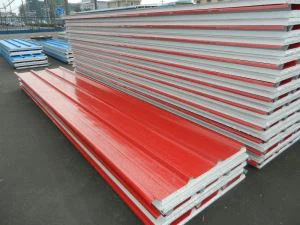
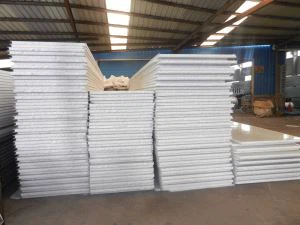
- Thermal Insulated Composite Glass Wool PU Sealing Sandwich Panels: These panels are designed for building insulation and feature a core of rock wool with a density of 80 - 120 kg/m³. The panels are lightweight, easy to install, and provide excellent thermal insulation.
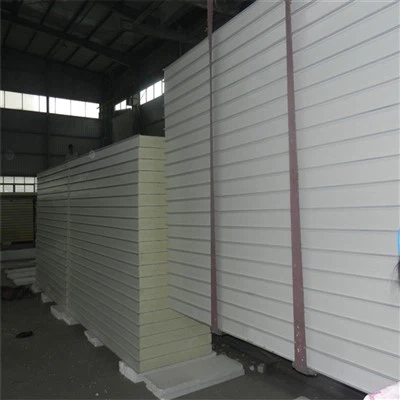
- Fireproof and Soundproof Rock Wool Aluminum Sandwich Panel: Ideal for industrial and commercial buildings, these panels have a rock wool core with a density of 100 - 150 kg/m³. They offer both fire protection and soundproofing properties.
- Fire Rated Colored Steel Rock Wool Sandwich Board with PU Sealing: This product is suitable for fire-rated construction. The rock wool core has a density of 150 - 200 kg/m³, providing high thermal insulation and fire resistance.
Importance of Choosing the Right Density
Choosing the right density of rock wool is essential for ensuring optimal performance in your application. Using a rock wool with too low a density may result in poor insulation or mechanical performance, while using a rock wool with too high a density may be unnecessary and costly.
When selecting rock wool, it's important to consider the specific requirements of your application, such as thermal insulation, soundproofing, fire resistance, and mechanical strength. Our team of experts can help you choose the right product based on your needs.
Contact Us for Procurement
If you're interested in purchasing rock wool for your project, we'd be happy to assist you. Our products are of the highest quality, and we offer competitive prices and excellent customer service. Whether you need a small quantity for a DIY project or a large quantity for a commercial construction, we can meet your requirements.
Contact us today to discuss your needs and get a quote. We look forward to working with you and providing you with the best rock wool solutions for your application.


References
- ASTM International. (2023). Standard Specification for Mineral Fiber Blanket Insulation for Thermal Insulation. ASTM C665.
- ISO. (2022). Thermal insulation - Determination of steady - state thermal resistance and related properties - Heat flow meter apparatus. ISO 8301.
- Building Research Establishment. (2021). Insulation Materials: A Guide to Selection and Use.