Hey there! I'm a supplier of EPS panels, and today I want to dig into a hot topic: Do EPS panels have a low carbon footprint? Let's break it down.
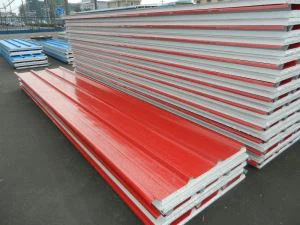
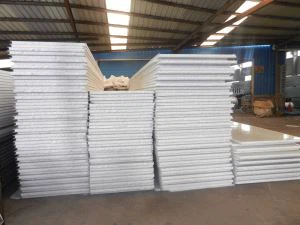
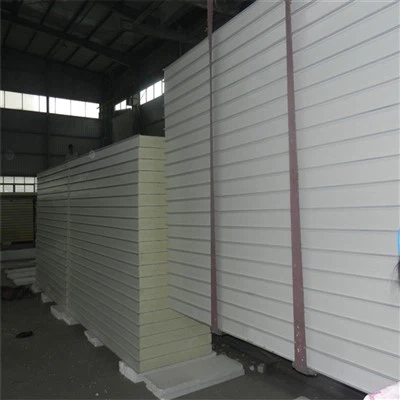
First off, what are EPS panels? EPS stands for Expanded Polystyrene. These panels are super versatile. You've got Eps Sandwich Wall Panel, EPS Insulated Sandwich Panel, and Structural Sandwich Panels. They're used in construction for insulation, partitions, and even in some cases for decorative purposes.
Now, let's talk about the carbon footprint. A carbon footprint is basically the total amount of greenhouse gases, mainly carbon dioxide, emitted directly or indirectly by an activity, product, or service. When it comes to EPS panels, there are a few factors to consider.
Production Process
The production of EPS panels involves a few steps. First, raw polystyrene beads are expanded using steam. This expansion process is energy - intensive. You need a good amount of heat to turn those tiny beads into the fluffy, expanded material that makes up the core of the EPS panels. However, modern production facilities have come a long way. They've implemented energy - efficient technologies to reduce the amount of energy consumed during this process.
Some manufacturers have also started using renewable energy sources, like solar or wind power, to run their production lines. This significantly cuts down on the carbon emissions associated with the production phase. But it's not just about the energy used. The raw materials themselves also play a role. Polystyrene is derived from petroleum, which is a non - renewable resource. Extracting and processing petroleum releases a large amount of carbon dioxide into the atmosphere.
Insulation Properties
One of the biggest selling points of EPS panels is their excellent insulation properties. When used in buildings, they can reduce the need for heating and cooling systems. Think about it. In the winter, a well - insulated building with EPS panels will retain heat better. You won't have to crank up the thermostat as high, which means less energy is used to heat the space.
In the summer, the panels can keep the heat out, reducing the load on your air - conditioning unit. This energy savings translates into lower carbon emissions. According to some studies, over the lifetime of a building, the energy savings from using EPS panels can offset the carbon emissions generated during their production.
Let's say you have a commercial building. Without proper insulation, the heating and cooling systems might run constantly, consuming a huge amount of electricity or gas. But if you install EPS panels, you could potentially reduce your energy consumption by up to 30% or more. That's a significant reduction in carbon emissions over the years.
Durability and Longevity
EPS panels are known for their durability. They can last for decades without losing their insulation properties. This means you don't have to replace them as often as some other building materials. When you consider the carbon emissions associated with the production and disposal of building materials, the long lifespan of EPS panels is a plus.
A building with long - lasting EPS panels doesn't need to go through the process of demolishing and replacing insulation materials frequently. Each time you tear out old insulation and install new, you're generating more waste and using more energy for the new production. So, in the long run, the durability of EPS panels can contribute to a lower carbon footprint.
Recycling and Disposal
Recycling EPS panels is a bit of a mixed bag. On one hand, it is possible to recycle EPS. The recycled EPS can be used to make new products, such as picture frames, packaging materials, or even new EPS panels. However, the recycling rate for EPS is relatively low. There aren't as many recycling facilities as there should be, and the process can be complex and expensive.
When EPS panels end up in landfills, they don't decompose easily. They can sit there for hundreds of years. But some innovative solutions are emerging. For example, there are companies working on ways to break down EPS panels into their basic components and reuse them more efficiently.


Comparing with Other Materials
When we compare EPS panels with other insulation materials, like fiberglass or cellulose, the carbon footprint picture gets a bit clearer. Fiberglass insulation also has an energy - intensive production process. The raw materials need to be melted at high temperatures, which consumes a lot of energy. And the production of fiberglass often involves the use of chemicals that can be harmful to the environment.
Cellulose insulation, made from recycled paper, has a relatively lower carbon footprint during production. But its insulation properties aren't as good as EPS panels in some cases. This means that over the lifetime of a building, more energy might be needed to maintain a comfortable temperature, resulting in higher carbon emissions.
Conclusion
So, do EPS panels have a low carbon footprint? Well, it's not a straightforward yes or no answer. The production process has its carbon - emitting aspects, especially due to the energy consumption and the use of non - renewable raw materials. However, their insulation properties, durability, and potential for recycling can all work in their favor.
Over the lifetime of a building, the energy savings from using EPS panels can make up for the initial carbon emissions during production. And as technology improves, the production process is becoming more and more eco - friendly.
If you're in the market for building materials and are concerned about the carbon footprint, EPS panels are definitely worth considering. They offer a good balance between performance and environmental impact.
Let's Talk Business
If you're interested in learning more about our EPS panels or want to discuss a potential purchase, I'd love to hear from you. Whether you're working on a small residential project or a large commercial development, we've got the right EPS panels for you. Reach out to us, and let's start a conversation about how we can meet your needs while also being kind to the environment.
References
- "Energy - Efficient Building Envelopes: The Role of Insulation Materials" by Building Science Institute
- "Life Cycle Assessment of Building Insulation Materials" by Environmental Research Journal
- "Recycling Technologies for Polystyrene Waste" by Waste Management Association