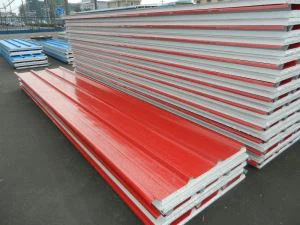
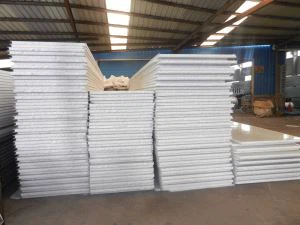
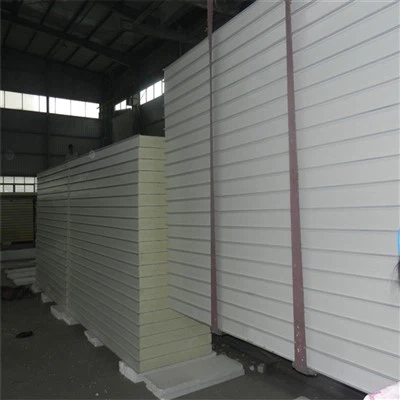
A Polyurethane (PU) roof, commonly known as a China PU roof due to the significant manufacturing presence in China, is a popular roofing solution used in various construction projects. As a supplier of China PU roofs, I'm frequently engaged in discussions about not only the practical benefits but also the environmental implications of these roofing systems. This blog post aims to explore the environmental impact of China PU roofs from multiple perspectives, providing a comprehensive overview for potential customers and environmental enthusiasts alike.
Raw Materials and Production
PU roofs are typically made from a combination of polyols and isocyanates, which react to form a polyurethane foam core. When it comes to the production process, the sourcing of these raw materials plays a crucial role. In China, manufacturers have gradually been improving their raw material sourcing practices to ensure a more sustainable supply chain. For example, some companies are looking into using bio - based polyols, which are derived from renewable resources such as soybean oil or castor oil. These bio - based polyols can reduce the reliance on fossil fuels, which is a significant step towards environmental sustainability.
The production of PU roofs also involves energy - intensive processes. However, advanced manufacturing facilities in China are increasingly adopting energy - efficient technologies. These include automated production lines that optimize the use of energy and reduce waste. By improving the energy efficiency of production, the overall carbon footprint associated with manufacturing China PU roofs is being minimized.
Energy Efficiency
One of the most significant environmental benefits of China PU roofs is their excellent thermal insulation properties. The polyurethane foam core in these roofs has a very low thermal conductivity, which means it can effectively reduce heat transfer between the interior and exterior of a building. This results in substantial energy savings for heating and cooling systems. For instance, in commercial buildings, a well - installed China PU roof can significantly reduce the energy consumption for maintaining a comfortable indoor temperature.
According to research, buildings with proper insulation can reduce energy consumption for heating and cooling by up to 50%. This not only translates into cost savings for building owners but also reduces the demand for energy from power plants, many of which still rely on non - renewable energy sources such as coal and natural gas. By decreasing energy demand, China PU roofs contribute to a reduction in greenhouse gas emissions, which is essential for combating climate change.
Durability and Longevity
China PU roofs are known for their durability. They can withstand harsh weather conditions, including strong winds, heavy rain, and extreme temperatures. A long - lasting roof reduces the need for frequent replacements, which in turn reduces the amount of construction waste generated. Non - durable roofing materials often need to be replaced every few years, leading to significant waste sent to landfills.
As a supplier, I've seen the positive impact of China PU roofs on the environment through their extended service life. In industrial buildings, where the roof is exposed to various elements, a China PU roof can last for decades with minimal maintenance. This longevity is an important factor in reducing the environmental impact associated with the construction and demolition waste stream.
Recycling and Waste Management
The issue of waste management and recycling is an ongoing concern in the construction industry. While the polyurethane foam used in China PU roofs is not as readily recyclable as some other materials, efforts are being made to develop recycling technologies. In some areas of China, research institutions and manufacturers are collaborating to find ways to recycle old PU roofs.


One such approach is chemical recycling, where the polyurethane is broken down into its basic components and then reused in the production of new materials. Although this technology is still in the early stages of development, it holds promise for reducing the environmental impact of China PU roofs at the end of their life cycle. In the meantime, responsible waste management practices are encouraged, such as properly disposing of any waste generated during the installation or replacement of PU roofs.
Product Offerings and Environmental Impact Comparison
As a China PU roof supplier, we offer a variety of products, each with its own environmental characteristics. For example, our 40mm PU Roof Panel is designed to provide a good balance between insulation and cost. It offers excellent thermal performance, which helps reduce energy consumption. Our Cold Storage PU Panel, on the other hand, is specifically tailored for cold storage applications, where high - level insulation is crucial. By ensuring efficient cold storage, these panels help reduce the energy required to maintain low temperatures.
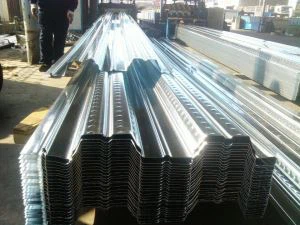
When comparing the environmental impact of our products with other roofing materials, such as traditional asbestos or metal roofs, China PU roofs often come out ahead. Traditional asbestos roofs are not only hazardous to human health but also difficult to dispose of safely. Metal roofs, while recyclable, may have lower insulation properties, leading to higher energy consumption in buildings. Our 50mm Sandwich Panel Price provides an attractive option that offers good insulation and can be a more sustainable choice compared to many alternatives.
Conclusion and Call to Action
In conclusion, China PU roofs have a complex environmental impact. While there are challenges in the areas of raw material sourcing, recycling, and end - of - life management, the benefits in terms of energy efficiency and durability are substantial. As a supplier, we are committed to continuously improving the environmental performance of our products through research and development, as well as promoting sustainable production and consumption practices.
If you are considering a roofing solution for your next construction project and are concerned about the environmental impact, I encourage you to explore our range of China PU roofs. Our products are designed to meet the highest standards of quality and environmental performance. Contact us today to discuss your specific requirements and how our China PU roofs can be the right choice for your project.
References
- ASHRAE Handbook - Fundamentals, American Society of Heating, Refrigerating and Air - Conditioning Engineers.
- "Energy - efficient Building Envelope Design", Building Research Establishment.
- Research reports on the development of bio - based polyols in the polyurethane industry.