EPS (Expanded Polystyrene) panels have gained significant popularity in the construction and insulation industries due to their lightweight, cost - effectiveness, and excellent insulation properties. As an EPS panel supplier, I am well - versed in the various types of EPS panels available in the market. In this blog, I will delve into the different categories of EPS panels, their features, and applications.
1. EPS Insulation Panels
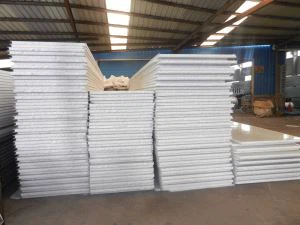
EPS insulation panels are one of the most common types. These panels are made from expanded polystyrene beads that are fused together under heat and pressure. The closed - cell structure of EPS provides excellent thermal insulation, reducing heat transfer and helping to maintain a consistent indoor temperature.
The density of EPS insulation panels can vary, typically ranging from 15 kg/m³ to 40 kg/m³. Lower - density panels are more flexible and cost - effective, while higher - density panels offer greater strength and durability. These panels are commonly used in both residential and commercial buildings for wall insulation, roof insulation, and floor insulation.
For instance, in a cold climate, installing EPS insulation panels on the exterior walls can significantly reduce the energy consumption for heating. In a hot climate, they can prevent the heat from entering the building, thus reducing the need for air - conditioning.
2. EPS Sandwich Panels
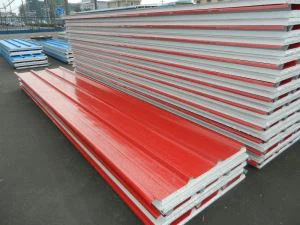
EPS sandwich panels consist of an EPS core sandwiched between two outer layers. The outer layers can be made of various materials, such as metal, plastic, or wood. These panels combine the insulation properties of EPS with the strength and durability of the outer layers.
- Polystyrene Roof Sandwich Panel for Greenhouse: These panels are specifically designed for greenhouse roofs. The EPS core provides insulation, which helps to maintain a stable temperature inside the greenhouse, while the outer layers protect the EPS from weather elements. The panels are lightweight, easy to install, and can be customized in terms of size and color. They are also resistant to corrosion and UV radiation, making them suitable for long - term use in outdoor environments.
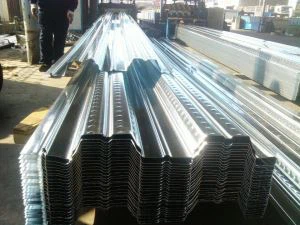
- Metal Sandwich Panels Roof: Metal sandwich panels with an EPS core are widely used for roofing in industrial and commercial buildings. The metal outer layers, usually made of steel or aluminum, offer high strength and fire resistance. The EPS core provides excellent thermal insulation, reducing the energy cost for heating and cooling. These panels are pre - fabricated, which means they can be quickly installed on the roof, saving time and labor costs.
- Styrofoam Sandwich Panel: Styrofoam is a type of EPS. Styrofoam sandwich panels are often used in interior partitions, cold storage rooms, and modular buildings. The panels are lightweight, easy to cut and shape, and can be installed without the need for heavy machinery. They also have good acoustic insulation properties, reducing noise transmission between different areas of the building.
3. EPS Decorative Panels
EPS decorative panels are used to enhance the aesthetic appeal of buildings. These panels can be molded into various shapes and designs, such as columns, moldings, and wall panels. They are a cost - effective alternative to traditional decorative materials like wood or stone.
EPS decorative panels are lightweight, which makes them easy to install. They can be attached to the wall using adhesives or mechanical fasteners. They are also resistant to moisture, insects, and rot, ensuring a long - lasting decorative effect. These panels are commonly used in both residential and commercial buildings, such as hotels, restaurants, and shopping malls, to create a luxurious and elegant look.
4. EPS Structural Panels
EPS structural panels are designed to provide both insulation and structural support. These panels are often used in the construction of pre - fabricated buildings, where they can be assembled quickly on - site.
The EPS core in structural panels is reinforced with fiberglass or other materials to increase its strength. The panels can be used as load - bearing walls, floors, and roofs. They offer several advantages, including high strength - to - weight ratio, good seismic resistance, and energy efficiency. In addition, the use of EPS structural panels can reduce the construction time and labor costs, as they are pre - fabricated in the factory and can be easily transported to the construction site.
5. EPS Packaging Panels
EPS packaging panels are used for protecting goods during transportation and storage. The lightweight and shock - absorbing properties of EPS make it an ideal material for packaging fragile items such as electronics, glassware, and food products.
EPS packaging panels can be custom - designed to fit the shape and size of the product. They can be easily cut and molded to provide a snug fit around the item, preventing it from moving and getting damaged during transit. These panels are also recyclable, which is an important consideration in today's environmentally - conscious world.
Applications and Considerations
Each type of EPS panel has its own unique features and applications. When choosing an EPS panel, several factors need to be considered, such as the intended use, the environmental conditions, and the budget.
For insulation applications, the thermal conductivity of the EPS panel is a crucial factor. A lower thermal conductivity value indicates better insulation performance. In addition, the fire resistance of the panel should also be considered, especially in buildings where fire safety is a major concern.
For structural applications, the strength and load - bearing capacity of the EPS panel are important. The panel should be able to withstand the expected loads without deformation or failure.
As an EPS panel supplier, I can provide professional advice on choosing the right type of EPS panel for your specific needs. I offer a wide range of EPS panels with different specifications and qualities to meet the diverse requirements of my customers.
If you are interested in purchasing EPS panels for your project, whether it is a small - scale residential renovation or a large - scale commercial construction, I encourage you to contact me for a detailed consultation. I am committed to providing high - quality products and excellent customer service. We can discuss your project requirements, and I will help you select the most suitable EPS panels at a competitive price.


References
- "Handbook of Insulating Materials" by John Smith
- "Construction Materials: Properties, Uses, and Performance" by David Brown
- "Packaging Design and Technology" by Sarah Green